What's the Deal with Oktoberfest?

Madison, Wisconsin
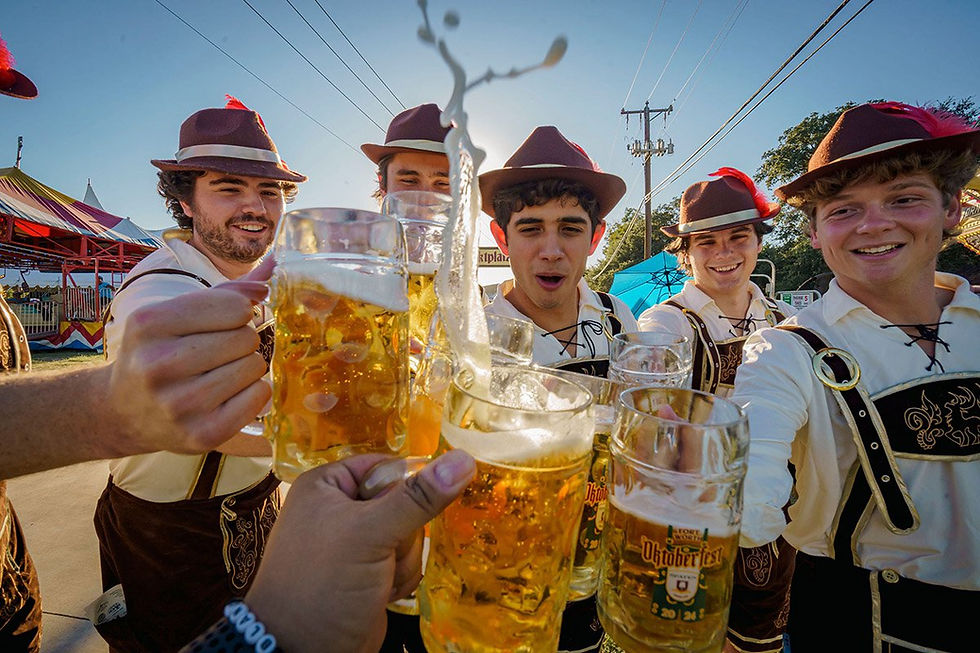
It’s October - what better thing to do that talk to you all about Oktoberfest - it’s history, it’s beer, and some of the misconceptions that you may have heard or are directly marketed to you when you see an influx of beer when summer begins to wind down! Join us for a unique twist on some background, and put some of Wisconsin’s beer offerings up against one of the original producers back in Germany!
First of all, let’s get one thing out of the way. Oktoberfest isn’t actually in the month of October, really. It ends on the first Sunday in October, traditionally - so why name it after the month in which it ends.
Without getting too far into the weeds - King Ludwig 1 (Bavaria, a state in Germany) and Princess Therese of Saxe-Hildburghausen got married in Munich on October 12, 1810. Food and beer was given out to folks around the square in celebration - something that wasn’t very common at the time, and by the 17th of October a lot of people had shown up - some thousands. It turned into a party that was popular enough to be brought back the next year - except it started to focus on the local harvest, which included wheat, barley, and hops. Beer was introduced regularly in 1815 and then the first beer tents were introduced in 1890 - called “beer castles”. Coincidentally, in the later 1890s, festival officials started to push the festival to earlier in the year, the last two weeks of September, looking for less volatile weather and longer daytime hours. That timeframe seemed to stick and fast-forward to today, Oktoberfest starts at the end of September!
So, we got the name confusion out of the way - how about the beer? Why is the beer called Oktoberfest - is it brewed in October? Is it brewed specifically for the festival? Is it served at the festival?
“My Octoberfest beer also has Märzen on it!”
“This one says it's a Festbier”
“This one says it's an Oktoberfest Fest-Style Bier”
“This one says its a festival Märzen”
“This one just says Oktoberfest on it and the can isn’t orange!”
“This one is for sale in October but has a pumpkin on it”
“HELP!”
The beer labels, marketing, and history behind the styles, can be at the very least confusing, and at most -downright misleading.
First things first: Oktoberfest is not a beer style. Most Oktoberfest beers are going to be one of two styles:
1) Märzen
-or-
2) Festbier
Märzen: (paraphrased) is an amber, malty German lager with a rich, bready malt flavor, restrained bitterness and well-attenuated finish with 20-28 International Bitter Units (IBU) and 5.6%-6.3% alcohol by volume (ABV).
Festbier: (paraphrased) is a pale, clean, German lager with moderate malty flavor and light hop character - meant to balance malt without being too heavy to encourage drinkability. Typically has 18 -25 IBUs and 5.8%-6.3% ABV.

Easy enough right? Märzen is malty-er and amber, a Festbier is less malty and pale (gold/yellow).
Now that that is out of the way, we can get into a little on the why. A Märzen, meaning March Beer, was traditionally one of the last beers brewed before the start of summer. The reason for that timing is a little cloudy. Now there is some uncertainty around why Märzen was brewed in March rather than over summer. I’ve seen explanations ranging from old ordinances outlawing summer brewing, to merely being too hot to brew beer in the summer (not true). The most likely explanation is that Märzens were more easily lagered (stored at cool temps to enhance aspects of fermentation) when it was still cold outside as refrigeration techniques were not available or crude at best. Thus the Märzen became the beer of Oktoberfest as it was winding up its aging process at the time of the festival - this had the bonus effect of then freeing up space for more beer to be stored during the fall and winter!
Today, Märzens are not served at the traditional Oktoberfest in Bavaria - it's the Festbier that has taken center stage. I’ve seen different reasons again, from claims to lower ABV to curb drunkenness from tourists, higher drinkability, to simply the Märzen style falling out of the public’s favor as far as taste goes. Now, I have not been to Oktoberfest to get any solid information but the most likely explanation - as with so many things - is money. A Festbier has less malt and is more likely cheaper to produce because there is less malt present, which means selling the beer with a greater profit. Some of those other reasons may be true - maybe they have switched to a lower ABV to curb drunkenness, but the styles both have similar ABV ranges. By the way, only 6 breweries are allowed to provide the beer and all are located in Munich:
Augustiner-Bräu
Hacker Pschorr
Hofbräu München
Paulaner
Lӧwenbräu München
Spatenbräu
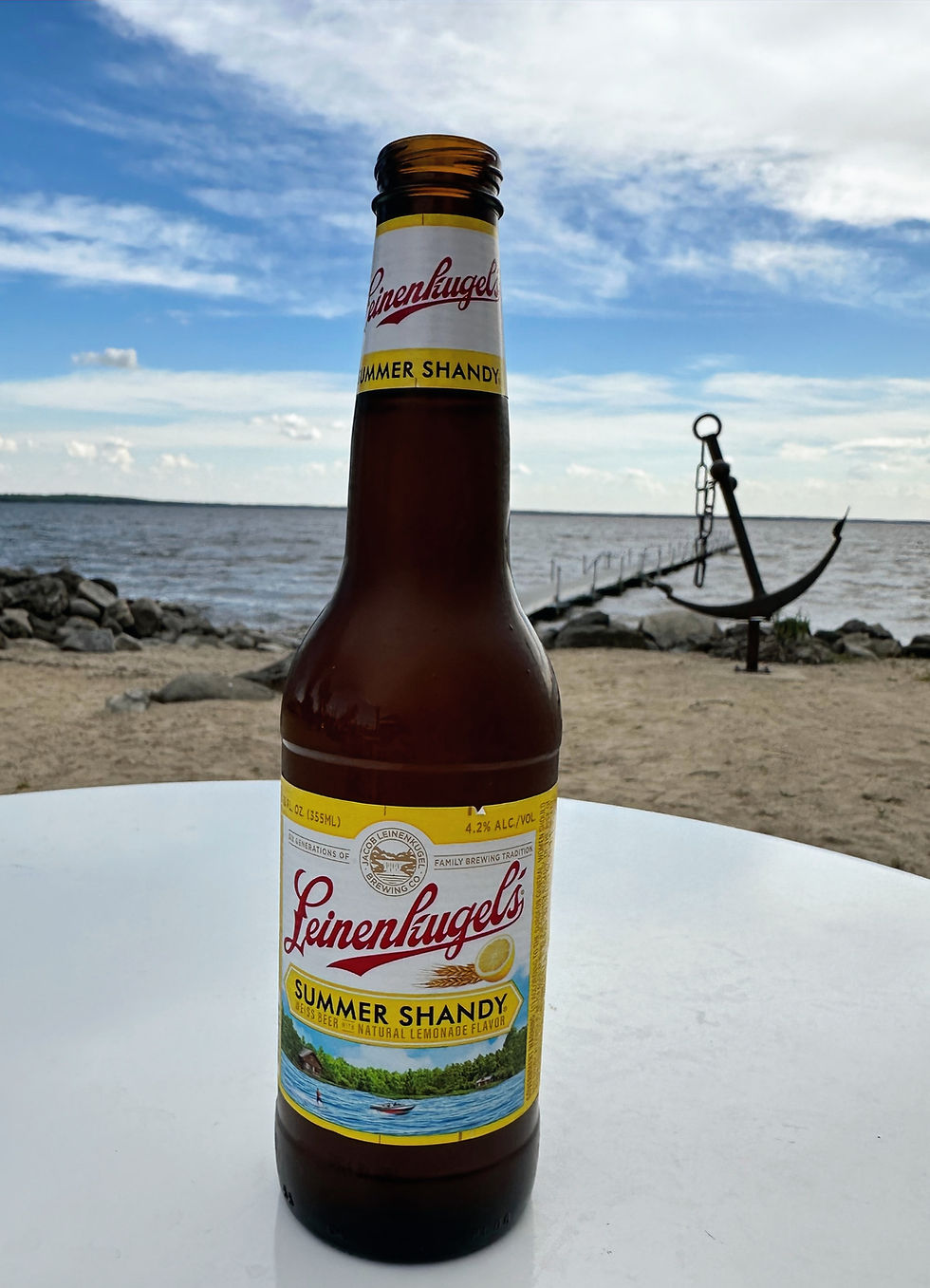
If you look at the Märzens and Festbiers that these six breweries put out, you’ll see the ABV are similar in range. That brings us back again to the cost - the Festbiers are probably cheaper to produce, and since the IBU range is slightly lower and there’s less malt, it’s going to be easier-drinking on a warm day for most folks (coming from a place that sees a wheat-lemon beer marketed for summer - right Leine’s?).

Now enter the US beer market. I’m definitely not here to rag on craft beer - you all know that. But I think there is a lot of confusion in our market when it comes to this style because something slapped with an Oktoberfest label is going to sell come fall - regardless of the understanding of the historically different styles. You might end up with a caramel tasting dark amber beer. You might end up with a light, slightly malty lager and just about everything in between, correct or otherwise. I’m going to attribute just as much to the misunderstanding of the styles, maybe even moreso, to errors in brewing process. I don’t think they are so much making errors, as much as they are putting something in the sort of ballpark in a can in order to sell - I know that sounds cynical, but I don’t have a further explanation based on what we have found in our taste test.
Hannah, the Thirsty Troll, and I sat down on an afternoon with a bunch of local Oktoberfest offerings. For consistency's sake, we stuck with Märzen as a style. Festbiers from Germany can be harder to come by here. Also, the majority of Oktoberfests made here also are Märzens - why we hold onto that and have not moved on to festbiers ourselves, I am not sure. Perhaps the Märzen, with its dark color and richness, remind us more of fall than anything else.
For the first time though, we used a control. We snagged a Märzen lauded by the beer judge

program as an excellent example of the style out of Ayinger Brewery. After the blind taste test, it was revealed what brewery each beer was and we compared the control to see how close it came to what the style should taste like.
Notice how, again, even the labels we found are inconsistent and all over the place, which definitely highlights the confusion and is part of the cause around the confusion in style vs. marketing vs the history of the beer.
The Control
Ayinger Oktober Fest-Märzen (5.8% ABV) - This beer poured deep-coppery orange with low clarity and smelled of rich malt, caramelized malt (not caramel), mild sweetness, a hint of dough and a wisp of hop spice. Tasting this beer was definitely a game changer for all of us - there were complex layers of flavor to this offering. Easy carbonation, with rich malt that at times gave a little sweetness, a little toasted wheat, light caramel on toasted bread, some spice in there that mixed well with some hop bitterness and finished dry. There is definitely a lot going on with this one and I highly encourage you to try it, if only for comparison’s sake. This was perhaps a bit too ambitious as it’s largely considered one of the best Märzens on the market, so we may have been setting up a high bar for other offerings to measure up to.

The Test Beers

Capital Brewing - Oktoberfest Märzen Style Lager - (5.5% ABV) - This beer had appropriate color and an aroma of sweet malt and a little spice. Up front sweetness when tasting and high carbonation, with light hop presence, toastiness, and sweet bread. This was overall light in flavor and lacked complexity.
Central Waters Brewing Co. - Oktoberfest Lager Märzen (5.2% ABV) - This beer poured amber and featured an offwhite head that didn’t last long. Sweet malt and slight spice
in the aroma.. The flavor here had low toasted cereal grains, sweetness, and light hop presence. There was definitely a lack of complexity here in flavor and definitely leaned sweet.
Lakefront Brewery - Oktoberfest Märzen Lager (5.6% ABV) - Pouring a deep yellow, with an almost non-existent head, this beer featured nuttiness and breadcrust on the nose with some fruitness. An overall thin impression in the mouthfeel, there was toffee and some fruitiness, but almost no hops to balance it out. We all agreed this beer ended up watery in comparison to the others.
Lake Louie Brewing - Oktoberfest Festbier (6.4% ABV) - Yes, I know we got a festbier. For comparison’s sake though, this beer poured orange-amber with a white head and medium retention. There was honey sweetness, malt, and noticeable hops in the aroma. Caramel came forward on the palate and there was a strong noble hop presence. Hannah definitely noted the bitterness as did our Thirsty Troll.
Working Draft - Stackenblochen Märzen-Style Oktoberfest Lager (5.8% ABV) - This beer poured bronze with a solid head. This was actually the worst one we had. There was sweetness on the nose, corn on the palate, and just an utter lack of maltiness or complexity. And before you ask - we got a four pack - we cracked 3 to taste to make sure it wasn’t a fluke and then used the fourth one for some brats. We picked up next to no malt in aroma or taste and it was far into the corn-lager sweet side of things.

Ale Asylum - Octillion Oktoberfest (6.0% ABV) - Pouring clear copper with a thin white head, this beer had notes of sourdough bread, pepper, and pumpkin puree - we hesitate with this descriptor - this did not have any notes of pumpkin spice or anything like that - merely pureed gourd. With tasting notes of raw squash, pepperiness, and a significantly boozy taste for a beer with only 6% - this one was really all over the place. No one wanted to finish this one and I think this was Oktoberfest only in name.
Hillsboro - Friday Night Lights Oktoberfest Style Lager (5.5% ABV) - Let me preface this by saying, we have had this beer before and we admit right now that this is not really a good Märzen example. What it is though, is a good Autumn beer. It pours a deep brownish copper There’s plenty of toasted malt, caramelized grain, and molasses on the nose - not totally out of the realm of the style but not like our control. This will sound weird, but this beer tastes like how the dead leaves in fall smell. I know some folks pick up fruitiness here, but I pick acorn and nuttiness, maybe some toasty complexity there and a touch of spice from the hops, maybe some fruit. The malty richness isn’t fully there, and I definitely think that this isn’t a good example of either style necessarily - but other than the control this was easily our favorite of the day. Something about it makes it truly taste like walking down to a football game on a Friday night in October.

New Glarus - Staghorn Bavarian Oktoberfest (6.25% ABV) - I’ve seen this listed as a Märzen but we did not see it listed on the bottle - simply “Oktoberfest Beer” which is a little disappointing because New Glarus is usually pretty accurate with their style conventions, and by no means is this a bad beer. It came in 2nd place for us, behind Hillsboro but again - more so on our preference for its taste compared to the others rather than accuracy to the style and our control beer. This beer pours golden-amber with an aroma of sweetness, malt, roasted nuts, and some fruitiness. For flavor though, there isn’t enough malt for the style. We picked up on caramelized malt, toasted nutiness, and there’s definitely some floral hops in there with a bit too much bitterness. I’ve always thought this beer drinks closer to an amber than a Märzen and everyone agreed, but it’s still a good, drinkable beer.
While our review left us thirsty to find better examples in Wisconsin - maybe we will give it another shot next year - it definitely was a huge learning experience for all three of us. I think this format was a great way to introduce friends to a beer style and compare notes and pick a beer solely on your senses rather than branding, company loyalty, or any kind of bias. We had a lot of fun just putting our thoughts out there and sharing notes on each one as they came, along with ranking them each only for the big reveal at the end. We will continue to hit you all with some history lessons and hopefully make the beer world a little less confusing next time you are in the aisle deciding what to bring to your tailgate or holidays.
Maybe pick up some Friday Night Lights or Staghorn before your next football game as my favorite season picks up some speed.
Our search for a good Wisconsin Oktoberfest will continue. Until next time, keep on crusin’, don’t stop boozin’.
Prost!
Photo Credit: Manwe Media
Citations:


Comments